

How Olivia Rodrigo's Daisy Chain Fields is reviving women-led festivals and why it matters
Sneha Kumari | Jun 24, 2026, 12:56 IST
Olivia Rodrigo's Daisy Chain Fields has sparked conversations far beyond its star-studded lineup. As excitement grows around the festival, many fans are looking back at a groundbreaking music movement that helped reshape live events. The story reveals how women-led festivals evolved and why they continue to resonate with audiences today.

Image credit : Instagram | How Olivia Rodrigo's Daisy Chain Fields Is Carrying Forward a 90s Music Legacy
When Olivia Rodrigo announced Daisy Chain Fields, her upcoming all-women music festival in California, fans didn't just see another festival lineup. They saw something bigger.
With artists like Chappell Roan, Doechii, Mitski, Garbage, Bikni Kill and Stevie Nicks involved, Daisy Chain Fields instantly became one of the most talked-about music events of the year. But beyond the viral excitement and dream lineup, the festival taps into something Gen Z cares deeply about: community, representation and purpose.
![]()
The legacy of
While social media has introduced younger audiences to the concept, women-led music festivals aren't exactly something new. Long before Daisy Chain Fields, there was Lilith Fair, a groundbreaking touring festival launched in 1997 by singer-songwriter Sarah McLachlan.
Back then, the music industry often treated female artists as exceptions rather than the norm. Multiple women on the same festival bill were considered a risk, as per First Post. Frustrated by those limitations, McLachlan created Lilith Fair to prove otherwise. The result was a cultural phenomenon that brought together artists across genres and created a space where women weren't the side act; they were the main event.
The festival featured stars like Fiona Apple, Missy Elliott, Erykah Badu, and the Indigo Girls, while helping launch the careers of several emerging artists. Most importantly, it showed that audiences were more than ready for festivals centred on female talent.
Nearly three decades later, Daisy Chain Fields feels like a modern continuation of that idea.
Festivals are no longer just about music. They are about identity, shared experiences, and belonging. Fans want events that reflect their values, whether that's diversity, inclusivity or social impact. That's part of the reason Daisy Chain Fields has generated so much buzz.
The festival isn't just spotlighting women artists. Net proceeds will support organisations focused on women's health and rights, giving the event a purpose beyond entertainment. In an era where younger audiences increasingly support brands, creators and events that align with their beliefs, that mission matters.
<br><br><br><br>Appeal of women-led festival spacesThere's also something powerful about seeing an entire lineup built around women without it feeling like a niche category. Daisy Chain Fields brings together pop stars, indie favourites, punk legends and artists, proving that women-led festivals don't fit into a single genre or audience.<br><br>Perhaps that's why fans are so excited and the festival feels less like a concert and more like a cultural moment. It's a space where audiences can celebrate artists they love while also being part of a larger conversation around visibility and representation in music.<br><br>
Read More: Olivia Rodrigo’s new album drops in hours: Tracklist, themes and everything we know
It also helps that Oliva Rodrigo represents a new generation of artists who openly acknowledge the women who came before them. Rodrigo has spoken about reaching out to Sarah McLachlan while planning the festival, creating a symbolic bridge between two generations of musicians who share a similar vision.
The possibility of Rodrigo and Stevie Nicks sharing the stage has only added to that narrative. For many fans, it represents a rare moment where different eras of women in music come together in one place.
![Instagram | The Rise of Women-Led Music Festivals, From Lilith Fair to Olivia Rodrigo]() Whether Daisy Chain Fields becomes an annual event remains to be seen. But its popularity already highlights a larger trend; fans aren't just looking for bigger festivals anymore. They are looking for festivals that stand for something.
Whether Daisy Chain Fields becomes an annual event remains to be seen. But its popularity already highlights a larger trend; fans aren't just looking for bigger festivals anymore. They are looking for festivals that stand for something.
And if the excitement surrounding Daisy Chain Fields is any indication, women-led music festivals aren't just making a comeback. They're helping shape the future of live music, one where community, purpose, and representation matter just as much as the headliners.
Read More: Fact check: Are Olivia Rodrigo and Taylor Swift’s ex-boyfriend Joe Alwyn dating? Here’s the truth
With artists like Chappell Roan, Doechii, Mitski, Garbage, Bikni Kill and Stevie Nicks involved, Daisy Chain Fields instantly became one of the most talked-about music events of the year. But beyond the viral excitement and dream lineup, the festival taps into something Gen Z cares deeply about: community, representation and purpose.

The legacy of Lilith Fair
Back then, the music industry often treated female artists as exceptions rather than the norm. Multiple women on the same festival bill were considered a risk, as per First Post. Frustrated by those limitations, McLachlan created Lilith Fair to prove otherwise. The result was a cultural phenomenon that brought together artists across genres and created a space where women weren't the side act; they were the main event.
The festival featured stars like Fiona Apple, Missy Elliott, Erykah Badu, and the Indigo Girls, while helping launch the careers of several emerging artists. Most importantly, it showed that audiences were more than ready for festivals centred on female talent.
Nearly three decades later, Daisy Chain Fields feels like a modern continuation of that idea.
Festivals are no longer just about music. They are about identity, shared experiences, and belonging. Fans want events that reflect their values, whether that's diversity, inclusivity or social impact. That's part of the reason Daisy Chain Fields has generated so much buzz.
The festival isn't just spotlighting women artists. Net proceeds will support organisations focused on women's health and rights, giving the event a purpose beyond entertainment. In an era where younger audiences increasingly support brands, creators and events that align with their beliefs, that mission matters.
<br><br><br><br>Appeal of women-led festival spacesThere's also something powerful about seeing an entire lineup built around women without it feeling like a niche category. Daisy Chain Fields brings together pop stars, indie favourites, punk legends and artists, proving that women-led festivals don't fit into a single genre or audience.<br><br>Perhaps that's why fans are so excited and the festival feels less like a concert and more like a cultural moment. It's a space where audiences can celebrate artists they love while also being part of a larger conversation around visibility and representation in music.<br><br>
Read More: Olivia Rodrigo’s new album drops in hours: Tracklist, themes and everything we know
Passing the torch to a new generation
The possibility of Rodrigo and Stevie Nicks sharing the stage has only added to that narrative. For many fans, it represents a rare moment where different eras of women in music come together in one place.
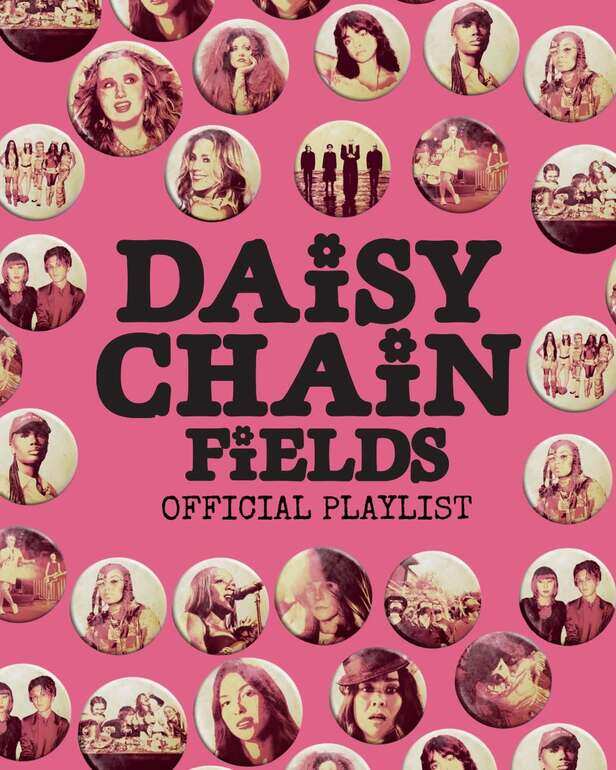
Image credit : Instagram | The Rise of Women-Led Music Festivals, From Lilith Fair to Olivia Rodrigo
Future of music festivals?
And if the excitement surrounding Daisy Chain Fields is any indication, women-led music festivals aren't just making a comeback. They're helping shape the future of live music, one where community, purpose, and representation matter just as much as the headliners.
Read More: Fact check: Are Olivia Rodrigo and Taylor Swift’s ex-boyfriend Joe Alwyn dating? Here’s the truth
Could confidence be your biggest dating superpower today?
By Nancy Jaiswal

GTA 6's reported 50mn pre-orders has the internet losing its mind
By Sneha Kumari

Finding love isn't enough: Why young people still feel empty
By Nancy Jaiswal

7 drinks sabotaging your diet
By Nancy Jaiswal

This Norwegian couple's viral World Cup kiss has fans questioning reality
By Sneha Kumari

Why Gen Z employees would rather wear headphones than start small talk
By Nancy Jaiswal

Why do hiccups suddenly start? The surprising science explained
By Nancy Jaiswal


