

Can AI replace human connection? The explosive rise of chatbots that feel like friends, therapists and even romantic partners
Nancy Jaiswal | Jun 27, 2026, 07:10 IST
Millions now talk to AI chatbots for comfort, advice and even companionship. But why are these conversations starting to feel so real? Here's the science behind our growing emotional connection with AI and what it reveals about modern loneliness.

Image credit : Indiatimes | AI chatbots and loneliness: Why people choose virtual bonds
Not very long ago, the idea of becoming emotionally attached to a computer sounded like something that belonged in a science-fiction film. Today, it has some how become part of everyday life. People no longer use artificial intelligence only to write emails, answer questions or plan holidays. Many are opening chat windows simply because they want someone to talk to. Some ask for advice after a difficult day. Others discuss family problems, relationship issues or personal dreams. A growing number even describe AI as a close friend.
![]()
This shift is happening much faster than many people expected. According to technology publicationTechCrunch , the number of AI companion apps grew by around 700 percent between 2022 and mid-2025. Unlike general AI assistants that help users complete tasks, these companion apps are built to create emotional conversations. Some even encourage users to build long-term friendships or romantic relationships with their virtual companions.
That may sound surprising at first. After all, everyone knows AI is not human. It has no feelings, memories or real-life experiences. Yet millions of people continue to return to these conversations every day. The obvious question is simple: why?
Modern life has made it easier than ever to stay connected online, yet many people still feel lonely. Friends are busy, families often live in different cities and work schedules leave little time for meaningful conversations. Sometimes people simply want someone who will listen without interrupting, judging or becoming impatient.
That is exactly where AI chatbots fit in.
![Millions now talk to AI chatbots for comfort, advice and even companionship]() Unlike humans, AI is available twenty-four hours a day. It does not complain about late-night messages. It remembers previous conversations and responds almost instantly. Even though users know they are speaking to software, the experience can still feel comforting because the replies often sound thoughtful and empathetic.
Unlike humans, AI is available twenty-four hours a day. It does not complain about late-night messages. It remembers previous conversations and responds almost instantly. Even though users know they are speaking to software, the experience can still feel comforting because the replies often sound thoughtful and empathetic.
A recent analysis by Harvard Business Review found that therapy and companionship are now among the biggest reasons people use generative AI tools. In another survey of adults living with mental health conditions, 48.7 percent said they had used large language models for mental health support during the past year. These numbers suggest that many people are beginning to see AI as something more than just a digital assistant.
It has been long known that people naturally give human qualities to non-human objects. Children speak to their toys. Drivers name their cars. Many people apologise after bumping into furniture. This behaviour is known as anthropomorphism.
AI companion apps are designed to encourage exactly this response.
Users can often choose a chatbot's name, appearance, voice and personality. Some apps even allow fictional backstories. Voice conversations sound increasingly natural, making the interaction feel closer to speaking with another person than typing into a machine.
![Can AI really replace human companionship?]() Because of this, the brain slowly begins responding as though a real social interaction is taking place. That does not mean users forget the chatbot is artificial. Instead, the emotional experience starts feeling genuine because the conversation itself feels personal.
Because of this, the brain slowly begins responding as though a real social interaction is taking place. That does not mean users forget the chatbot is artificial. Instead, the emotional experience starts feeling genuine because the conversation itself feels personal.
Researchers are beginning to find that, in some situations, it actually can. A study published in the Journal of Consumer Research by researchers from Harvard Business School found that interacting with an AI companion reduced feelings of loneliness almost as much as talking to another person. Interestingly, the study also found that AI companions worked better at easing loneliness than activities such as watching YouTube videos.
The researchers suggested that one reason for this effect is surprisingly simple. People felt "heard." The chatbot responded with attention, empathy and respect. Whether someone wanted to celebrate good news or talk through a difficult day, the AI stayed focused on the conversation. For many users, that feeling of being listened to was enough to improve their mood, at least for a while.
That does not mean AI has replaced human friendship. Instead, it highlights how powerful simple conversations can be. In a world where many people feel rushed or ignored, even a digital interaction that feels personal can provide temporary emotional comfort.
Another reason people are becoming attached to AI chatbots is that they offer a judgment-free space. Talking to another person can sometimes feel stressful. People worry about saying the wrong thing, being misunderstood or facing criticism. AI removes much of that pressure.
Hence, it can be stated that this makes chatbots useful for practising conversations before speaking to real people. Someone preparing for a job interview can rehearse answers. A nervous student can practise introducing themselves. Someone struggling after a breakup may simply want to organise their thoughts before talking to family or friends.
Because there is no fear of embarrassment, many users feel more confident opening up. This does not mean AI should replace real conversations, but it can act as a stepping stone for people who find social situations overwhelming.
While the benefits are becoming clearer, researchers also say emotional attachment to AI has limits. Unlike real friends, chatbots do not genuinely care about users. They generate responses by predicting language patterns. Their empathy feels real, but it is created through technology rather than emotion.
That is why it is believed people should avoid depending entirely on AI for emotional support. Real relationships involve disagreement, compromise, body language and shared experiences. These are things current AI simply cannot recreate.
Companies are also moving carefully. As conversational AI becomes more advanced, there is a growing responsibility to prevent harmful or misleading advice. Developers know that if people begin trusting AI with deeply personal decisions, the technology must be designed responsibly. The challenge is not just making chatbots more intelligent but ensuring they remain safe and reliable.
More than a decade ago, the film Her imagined a lonely man falling in love with an AI assistant. At the time, many people saw the story as futuristic fantasy. Today, that idea no longer feels impossible.
![Theodore Twombly, an introverted writer, buys an Artificial Intelligence system to help him write in the movie Her]() Researchers from OpenAI and the
Researchers from OpenAI and the MIT Media Lab have recently explored how human-like chatbots affect emotional and social well-being. Their work suggests that while AI can offer comfort and reduce loneliness for some users, it can also encourage emotional dependence if people begin replacing human relationships with digital ones.
This does not mean everyone using AI is lonely or looking for romance. Many simply enjoy having a conversation that feels calm, supportive and available whenever they need it. Others use AI for brainstorming, practising difficult discussions or managing everyday stress. The emotional connection often develops gradually rather than intentionally.
Friend bots, therapy bots and AI companions are appearing across app stores at a remarkable pace. What began as a niche technology is quickly becoming part of everyday life. As AI continues to improve, conversations will become even more natural, making the line between useful assistant and emotional companion increasingly blurred.
At the same time, the rise of AI companions says as much about people as it does about technology. It reflects a world where many individuals are searching for connection, understanding and someone who will simply listen without distraction. AI has stepped into that gap, not because it can truly love, but because it is always available.
The real lesson may not be that humans are falling in love with machines. It may be that modern life has left many people craving meaningful conversations. AI has become popular because it offers something that is becoming surprisingly rare time, attention and the feeling of being heard.
As technology evolves, AI companions will likely become more common in education, healthcare and emotional support. They may help people practise communication, cope with loneliness or organise their thoughts during difficult moments. But experts continue to stress that these tools should complement, not replace, real human relationships.
For now, one thing is clear. Human-AI relationships are no longer just a science-fiction idea. They are becoming part of everyday life. Whether that future strengthens human connection or slowly changes the way people build relationships will depend not only on smarter technology, but also on how wisely people choose to use it.

This shift is happening much faster than many people expected. According to technology publication
That may sound surprising at first. After all, everyone knows AI is not human. It has no feelings, memories or real-life experiences. Yet millions of people continue to return to these conversations every day. The obvious question is simple: why?
The answer begins with loneliness
That is exactly where AI chatbots fit in.

Image credit : Pexels | Millions now talk to AI chatbots for comfort, advice and even companionship
A recent analysis by Harvard Business Review found that therapy and companionship are now among the biggest reasons people use generative AI tools. In another survey of adults living with mental health conditions, 48.7 percent said they had used large language models for mental health support during the past year. These numbers suggest that many people are beginning to see AI as something more than just a digital assistant.
Our brains are wired to humanise technology
AI companion apps are designed to encourage exactly this response.
Users can often choose a chatbot's name, appearance, voice and personality. Some apps even allow fictional backstories. Voice conversations sound increasingly natural, making the interaction feel closer to speaking with another person than typing into a machine.
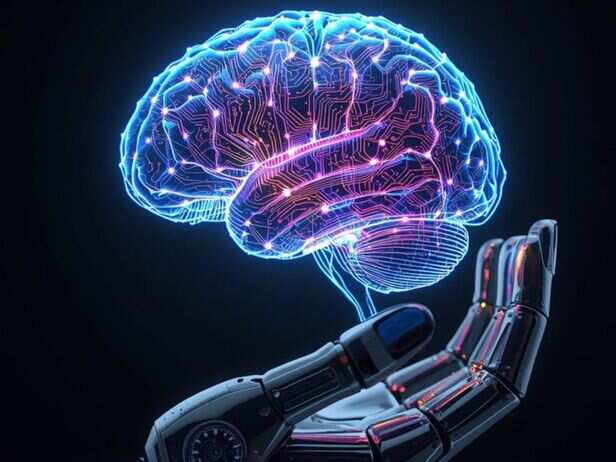
Image credit : Magnific | Can AI really replace human companionship?
Can AI really reduce loneliness?
The researchers suggested that one reason for this effect is surprisingly simple. People felt "heard." The chatbot responded with attention, empathy and respect. Whether someone wanted to celebrate good news or talk through a difficult day, the AI stayed focused on the conversation. For many users, that feeling of being listened to was enough to improve their mood, at least for a while.
That does not mean AI has replaced human friendship. Instead, it highlights how powerful simple conversations can be. In a world where many people feel rushed or ignored, even a digital interaction that feels personal can provide temporary emotional comfort.
A safe place to practise conversations
Hence, it can be stated that this makes chatbots useful for practising conversations before speaking to real people. Someone preparing for a job interview can rehearse answers. A nervous student can practise introducing themselves. Someone struggling after a breakup may simply want to organise their thoughts before talking to family or friends.
Because there is no fear of embarrassment, many users feel more confident opening up. This does not mean AI should replace real conversations, but it can act as a stepping stone for people who find social situations overwhelming.
Why it is advised to urge caution
That is why it is believed people should avoid depending entirely on AI for emotional support. Real relationships involve disagreement, compromise, body language and shared experiences. These are things current AI simply cannot recreate.
Companies are also moving carefully. As conversational AI becomes more advanced, there is a growing responsibility to prevent harmful or misleading advice. Developers know that if people begin trusting AI with deeply personal decisions, the technology must be designed responsibly. The challenge is not just making chatbots more intelligent but ensuring they remain safe and reliable.
From science fiction to everyday life

Image credit : X/epiloguers | Theodore Twombly, an introverted writer, buys an Artificial Intelligence system to help him write in the movie Her
This does not mean everyone using AI is lonely or looking for romance. Many simply enjoy having a conversation that feels calm, supportive and available whenever they need it. Others use AI for brainstorming, practising difficult discussions or managing everyday stress. The emotional connection often develops gradually rather than intentionally.
The future of friendship may look different
At the same time, the rise of AI companions says as much about people as it does about technology. It reflects a world where many individuals are searching for connection, understanding and someone who will simply listen without distraction. AI has stepped into that gap, not because it can truly love, but because it is always available.
The real lesson may not be that humans are falling in love with machines. It may be that modern life has left many people craving meaningful conversations. AI has become popular because it offers something that is becoming surprisingly rare time, attention and the feeling of being heard.
As technology evolves, AI companions will likely become more common in education, healthcare and emotional support. They may help people practise communication, cope with loneliness or organise their thoughts during difficult moments. But experts continue to stress that these tools should complement, not replace, real human relationships.
For now, one thing is clear. Human-AI relationships are no longer just a science-fiction idea. They are becoming part of everyday life. Whether that future strengthens human connection or slowly changes the way people build relationships will depend not only on smarter technology, but also on how wisely people choose to use it.

What really happens to your body when you skip breakfast?
By Nancy Jaiswal

'This World Cup is for Portugal and Cristiano Ronaldo. They will win it': Ghanaian spiritual priest goes viral again after Harry Kane claim
By Tanima Mukherjee

This GTA 6 pre order trick could save you 15% instantly
By Nillohit Bagchi

Meet the man behind the biggest GTA 6 leak
By Supratik

Suryakumar Yadav becomes meme fodder after India's loss to Ireland
By Supratik

Is Ariana Grande back with ex-boyfriend Ricky Alvarez? Former couple spotted together days after Ethan Slater split
By Shivani Negi

Notes from the Last Row will mess with your mind, here's why
By Nillohit Bagchi


