

Digital detox science! What happens inside your brain when notifications suddenly stop running your life?
Nancy Jaiswal | Jun 26, 2026, 08:07 IST
Your phone is never far away. It wakes you up, keeps you entertained and fills every spare minute. But what happens when you suddenly stop using it? It has been found that even a short digital detox can trigger surprising changes inside the brain.

Image credit : Indiatimes | What happens to your brain during a digital detox journey?
Imagine this. You wake up in the morning and reach for your phone. Except this time, it is not there. No notifications. No social media updates. No messages waiting to be checked. No endless stream of videos promising “just one more clip.” For many people, that sounds uncomfortable.
For others, it sounds impossible. Yet growing numbers of people are choosing to spend a few hours, a weekend or even several days away from their phones in what is often called a digital detox. The goal is simple: take a break from constant digital stimulation and see what happens. According to Dr. Shaunak Ajinkya, Consultant, Psychiatrist, Kokilaben Dhirubhai Ambani Hospital, Mumbai, the benefits of digital detox extend beyond reduced stress. Attention span increases without constant interruptions.
![]()
The interesting part is that the effects are not just emotional. It has been found that stepping away from smartphones can create noticeable changes in the brain, attention span, sleep quality and even social behaviour. A 2021 study by Verduyn in Computers in Human Behavior found people without phones had more face-to-face interactions.
Smartphones have become part of everyday life. People use them to work, chat, shop, watch videos, order food and navigate cities. Many of us check our phones dozens, if not hundreds, of times every day without even realizing it. Over time, this constant interaction creates a cycle. A notification arrives. You check it. A new message appears. You respond. A video recommendation pops up. You click.
![Even a short digital detox can trigger surprising changes inside the brain]() Your brain becomes used to frequent bursts of stimulation. Researchers studying smartphone use have found that excessive phone use can affect areas of the brain linked to attention and impulse control. In simple terms, the brain becomes accustomed to constant interruptions. A digital detox interrupts that pattern. Without notifications constantly pulling your attention in different directions, the brain finally gets a chance to slow down.
Your brain becomes used to frequent bursts of stimulation. Researchers studying smartphone use have found that excessive phone use can affect areas of the brain linked to attention and impulse control. In simple terms, the brain becomes accustomed to constant interruptions. A digital detox interrupts that pattern. Without notifications constantly pulling your attention in different directions, the brain finally gets a chance to slow down.
Dr. Saloni Gupta, a senior psychologist and an expert in mental health & behavioral sciences, a digital detox, which involves intentionally reducing or avoiding screen use for a period, can restore mental clarity, improve mood, and enhance focus.
Many people report feeling restless during the first few hours. They keep reaching for a phone that is no longer there. Some even feel as though their device vibrated when it did not. But as time passes, that urge often begins to weaken.
Read More: Can't stop scrolling? Researchers reveal why short videos keep your brain chasing the next swipe!
One of the most interesting findings from digital detox research involves stress and anxiety. In a study involving young adults conducted in the United States, who stopped using their phones for 72 hours, participants experienced noticeable reductions in stress and anxiety levels after just three days.
![Your brain becomes used to frequent bursts of stimulation]() That may sound surprising considering how connected people feel to their devices. The reason is that smartphones create a constant flow of information. Messages arrive. News updates appear. Social media feeds never stop moving. The brain is continuously processing new inputs. When those inputs disappear, the mental noise begins to fade. Many people describe the experience as similar to walking out of a crowded room and into a quiet park. Nothing dramatic changes overnight, but the mind feels less cluttered.
That may sound surprising considering how connected people feel to their devices. The reason is that smartphones create a constant flow of information. Messages arrive. News updates appear. Social media feeds never stop moving. The brain is continuously processing new inputs. When those inputs disappear, the mental noise begins to fade. Many people describe the experience as similar to walking out of a crowded room and into a quiet park. Nothing dramatic changes overnight, but the mind feels less cluttered.
Think about what many people do before going to bed. They scroll. One video becomes five. Five become twenty. Suddenly it is much later than expected. It has been found that screen exposure can interfere with natural sleep cycles. As a result, many people struggle to fall asleep or wake up feeling refreshed.
A digital detox removes that late-night habit. Without constant screen exposure, people often find it easier to fall asleep and stay asleep. The result is not just more sleep but often better-quality sleep. And when sleep improves, many other parts of life improve too. Mood becomes more stable. Energy levels rise. Concentration gets better.
Imagine trying to read a book while someone interrupts you every few minutes. That is essentially what many brains experience throughout the day. Every notification, alert or message breaks concentration. Studies suggest it can take significant time to fully regain focus after an interruption.
A digital detox changes that. Without constant distractions, people often find it easier to stay focused on one task. Reading becomes easier. Conversations become easier. Even simple activities like cooking, walking or exercising can feel different because attention is no longer being divided every few minutes. Many people discover that their minds are capable of far deeper focus than they realized.
One of the less discussed effects of a digital detox is what happens socially. When phones disappear, people often become more present. They notice facial expressions more clearly. They listen more carefully. Conversations become longer and less interrupted.
It has also been found that people who spend less time on their phones often engage in more face-to-face interactions. That does not mean everyone suddenly becomes a social butterfly. But it does mean people become more aware of what is happening around them. In many ways, the world feels less filtered through a screen.
There is another reason digital detoxes can feel refreshing. Boredom comes back. At first that sounds like a bad thing. But boredom serves an important purpose. When every spare moment is filled with scrolling, the brain rarely gets a chance to wander. A quiet moment at a bus stop becomes a social media session. A few minutes waiting in line become screen time.
![A digital detox provides clarity to your brain]() Without those constant distractions, the brain has room to think. Ideas appear. Problems get solved. Creative thoughts surface. The mind finally gets breathing space.
Without those constant distractions, the brain has room to think. Ideas appear. Problems get solved. Creative thoughts surface. The mind finally gets breathing space.
Read More: ‘Why is it apparently so easy for everyone else?’ The dating fear haunting more singles in their twenties
A digital detox is not about throwing away your phone or disappearing from the internet forever.
It is about giving your brain an occasional break. Perhaps the most surprising discovery is how quickly some of these changes begin. Many people assume they need months to feel different. Yet studies suggest that meaningful changes can start within days.
In a world where attention is constantly being pulled in dozens of directions, that may be one of the strongest arguments for occasionally putting the phone down and simply letting the brain breathe.
For others, it sounds impossible. Yet growing numbers of people are choosing to spend a few hours, a weekend or even several days away from their phones in what is often called a digital detox. The goal is simple: take a break from constant digital stimulation and see what happens. According to Dr. Shaunak Ajinkya, Consultant, Psychiatrist, Kokilaben Dhirubhai Ambani Hospital, Mumbai, the benefits of digital detox extend beyond reduced stress. Attention span increases without constant interruptions.

The interesting part is that the effects are not just emotional. It has been found that stepping away from smartphones can create noticeable changes in the brain, attention span, sleep quality and even social behaviour. A 2021 study by Verduyn in Computers in Human Behavior found people without phones had more face-to-face interactions.
Your brain finally gets a break

Image credit : Pexels | Even a short digital detox can trigger surprising changes inside the brain
Dr. Saloni Gupta, a senior psychologist and an expert in mental health & behavioral sciences, a digital detox, which involves intentionally reducing or avoiding screen use for a period, can restore mental clarity, improve mood, and enhance focus.
Many people report feeling restless during the first few hours. They keep reaching for a phone that is no longer there. Some even feel as though their device vibrated when it did not. But as time passes, that urge often begins to weaken.
Read More: Can't stop scrolling? Researchers reveal why short videos keep your brain chasing the next swipe!
Stress levels can start falling surprisingly fast

Image credit : Pexels | Your brain becomes used to frequent bursts of stimulation
Sleep often improves
A digital detox removes that late-night habit. Without constant screen exposure, people often find it easier to fall asleep and stay asleep. The result is not just more sleep but often better-quality sleep. And when sleep improves, many other parts of life improve too. Mood becomes more stable. Energy levels rise. Concentration gets better.
Something unexpected happens to your attention span
A digital detox changes that. Without constant distractions, people often find it easier to stay focused on one task. Reading becomes easier. Conversations become easier. Even simple activities like cooking, walking or exercising can feel different because attention is no longer being divided every few minutes. Many people discover that their minds are capable of far deeper focus than they realized.
You start noticing the world again
It has also been found that people who spend less time on their phones often engage in more face-to-face interactions. That does not mean everyone suddenly becomes a social butterfly. But it does mean people become more aware of what is happening around them. In many ways, the world feels less filtered through a screen.
Creativity gets a chance to return
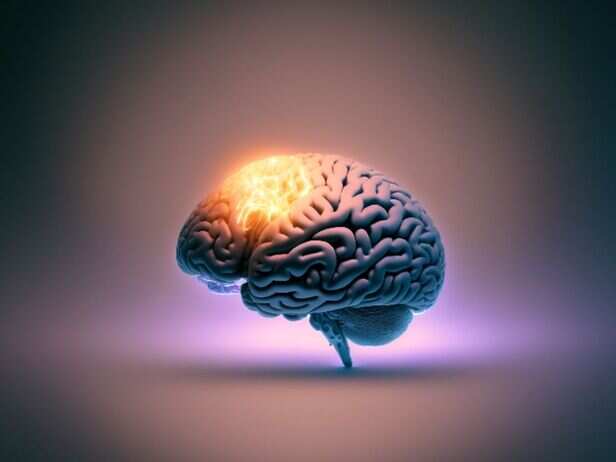
Image credit : Pexels | A digital detox provides clarity to your brain
Read More: ‘Why is it apparently so easy for everyone else?’ The dating fear haunting more singles in their twenties
The road ahead
It is about giving your brain an occasional break. Perhaps the most surprising discovery is how quickly some of these changes begin. Many people assume they need months to feel different. Yet studies suggest that meaningful changes can start within days.
In a world where attention is constantly being pulled in dozens of directions, that may be one of the strongest arguments for occasionally putting the phone down and simply letting the brain breathe.

Fans think 'aliens control FIFA' after Infantino's viral appearance
By Sneha Kumari

AI chatbots and loneliness: Why people choose virtual bonds
By Nancy Jaiswal

What really happens to your body when you skip breakfast?
By Nancy Jaiswal

'This World Cup is for Portugal and Cristiano Ronaldo. They will win it': Ghanaian spiritual priest goes viral again after Harry Kane claim
By Tanima Mukherjee

This GTA 6 pre order trick could save you 15% instantly
By Nillohit Bagchi

Meet the man behind the biggest GTA 6 leak
By Supratik

Suryakumar Yadav becomes meme fodder after India's loss to Ireland
By Supratik


