

From Death Note to Naruto Shippuden : How modern anime culture normalises trauma, guilt, tyranny and destructive heroism
Tanima Mukherjee | May 28, 2026, 02:06 IST
This analysis explores how modern anime deconstructs traditional hero archetypes, examining themes of trauma, destructive self-sacrifice, the moral decay of absolute power, and the evolution of the Shonen fighting spirit.

Image credit : Instagram / @ai_dreamdesigns @aidigital_sensei @valeleggeesogna
Modern anime has evolved far beyond simple tales of good versus evil. Today’s narratives frequently delve into psychological depths, exploring the heavy burden of heroism, the thin line between liberation and tyranny, and the moral decay that comes with power. By analyzing some of the most influential series of recent decades, we can uncover how contemporary animation reflects complex human struggles through three distinct thematic lenses.
![]()
In many modern narratives, the traditional hero archetype is completely deconstructed. Instead of being fueled by pure, unyielding strength, protagonists are often driven by deeply flawed coping mechanisms, savior complexes, or a destructive sense of duty.
The first example is Neon Genesis Evangelion, where Shinji Ikari embodies self-destructive heroism, where the weight of saving humanity is thrust upon psychologically fragile teenagers, turning it into an exploration of trauma and isolation.
![Instagram / @saint]() The second is Tokyo Revengers, as in this series, the protagonist, Takemichi Hanagaki, repeatedly destroys himself physically and emotionally, enduring endless cycles of violence to save the people he loves.
The second is Tokyo Revengers, as in this series, the protagonist, Takemichi Hanagaki, repeatedly destroys himself physically and emotionally, enduring endless cycles of violence to save the people he loves.
![Instagram / @poky02]()
Attack on Titan ’s most controversial take is when Eren Yeager takes the saviour complex to a terrifying extreme, where the pursuit of freedom turns into global genocide, completely romanticizing a toxic, unyielding heroism that destroys the world to protect its own. This is till date one of the most controversial debates on the internet where half criticise Eren for his actions while others justify the deed.
![Instagram / @aidigital_sensei]() In both My Hero Academia & Re: Zero, the depiction has been found. In My Hero Academia, Izuku Midoriya struggles with a damaging sense of self-worth that compels him to break his own body for others, while Subaru Natsuki in Re: Zero is trapped in endless, agonizing suffering loops where his only weapon is his own death.
In both My Hero Academia & Re: Zero, the depiction has been found. In My Hero Academia, Izuku Midoriya struggles with a damaging sense of self-worth that compels him to break his own body for others, while Subaru Natsuki in Re: Zero is trapped in endless, agonizing suffering loops where his only weapon is his own death.
![Instagram / @leonardsanthos]() When a character gains the power to alter the world, the narrative often shifts from a battle of strength to a battle of philosophy. The line between a well-meaning saviour and an authoritarian tyrant becomes incredibly thin, forcing characters to carry immense psychological guilt.
When a character gains the power to alter the world, the narrative often shifts from a battle of strength to a battle of philosophy. The line between a well-meaning saviour and an authoritarian tyrant becomes incredibly thin, forcing characters to carry immense psychological guilt.
At first, in Code Geass, Lelouch vi Britannia utilizes self-destruction disguised as liberation. He takes on the role of the ultimate villain to break the cycle of hatred, proving that peace sometimes demands a monumental lie.
![Instagram / @shirogate_recommendation]() In Death Note, Light Yagami begins with a desire to cleanse the world of crime but quickly succumbs to total moral decay, showing how easily a savior complex turns into a god complex. In Guilty Crown, also, Shu Ouma is forced into the role of an authoritarian savior, discovering that leadership in times of crisis often requires abandoning kindness for cold utility.
In Death Note, Light Yagami begins with a desire to cleanse the world of crime but quickly succumbs to total moral decay, showing how easily a savior complex turns into a god complex. In Guilty Crown, also, Shu Ouma is forced into the role of an authoritarian savior, discovering that leadership in times of crisis often requires abandoning kindness for cold utility.
![Instagram / @valeleggeesogna]() Monster & Terror in Resonance depictsthe brilliant antagonist Johan Liebert who exposes the endless guilt and responsibility tied to human morality, while Nine and Twelve use destructive heroic revenge to force society to confront its own dark secrets.
Monster & Terror in Resonance depictsthe brilliant antagonist Johan Liebert who exposes the endless guilt and responsibility tied to human morality, while Nine and Twelve use destructive heroic revenge to force society to confront its own dark secrets.
![Instagram / @zenlessace]() Even within traditional Shonen anime, historically known for straightforward themes of friendship and hard work, modern storytelling has introduced profound emotional nuance. The classic “never give up” or in Naruto’s words, " Dattebayo attitude is frequently re-examined as a psychological burden or a tragic necessity.
Even within traditional Shonen anime, historically known for straightforward themes of friendship and hard work, modern storytelling has introduced profound emotional nuance. The classic “never give up” or in Naruto’s words, " Dattebayo attitude is frequently re-examined as a psychological burden or a tragic necessity.
To start with, the most renowned Naruto, the lead Naruto Uzumaki’s iconic journey is driven by a deep-seated need to be acknowledged, leading to a self-erasing savior complex where he carries the hatred of the entire world on his back. His nature of not abandoning anyone slowly drives him to his limit of martyrdom. In Bleach, Ichigo Kurosaki is fundamentally guilt-driven, motivated entirely by an intense, overwhelming need to protect everyone around him because of past loss.
![Instagram / @ai_dreamdesigns]() Fullmetal Alchemist: Brotherhood depicts the Elric brothers operating on a framework of sacrificial ethics, learning the hard way that reversing a mistake requires giving up a piece of oneself, which apparently became one of the key themes of the anime.
Fullmetal Alchemist: Brotherhood depicts the Elric brothers operating on a framework of sacrificial ethics, learning the hard way that reversing a mistake requires giving up a piece of oneself, which apparently became one of the key themes of the anime.
![Instagram / @evaasera]() The famous anime
The famous anime Demon Slayer also refers to the same when Tanjiro Kamado's empathy is pushed to its absolute limits, where he does not fight out of malice, but out of a profound sorrow for the monsters he must slay.
![Instagram / @cinetheticph]() And lastly, Vinland Saga, where Thorfinn’s journey completely dismantles the genre's usual tropes, transforming from a cycle of revenge-fueled masculinity into a profound rejection of violence, shedding light on the glorified suffering that society mistakes for strength.
And lastly, Vinland Saga, where Thorfinn’s journey completely dismantles the genre's usual tropes, transforming from a cycle of revenge-fueled masculinity into a profound rejection of violence, shedding light on the glorified suffering that society mistakes for strength.
![Instagram / @vinland.cl]() Modern anime continues to redefine storytelling by replacing simplistic heroism with emotionally complex, morally conflicted characters. Through themes of trauma, sacrifice, guilt, and redemption, these narratives reflect real human struggles beneath fantastical worlds. Whether through destructive saviours or broken warriors, modern anime proves that true strength often lies in confronting pain, not escaping it.
Modern anime continues to redefine storytelling by replacing simplistic heroism with emotionally complex, morally conflicted characters. Through themes of trauma, sacrifice, guilt, and redemption, these narratives reflect real human struggles beneath fantastical worlds. Whether through destructive saviours or broken warriors, modern anime proves that true strength often lies in confronting pain, not escaping it.

The burden of self-destruction and toxic heroism
The first example is Neon Genesis Evangelion, where Shinji Ikari embodies self-destructive heroism, where the weight of saving humanity is thrust upon psychologically fragile teenagers, turning it into an exploration of trauma and isolation.
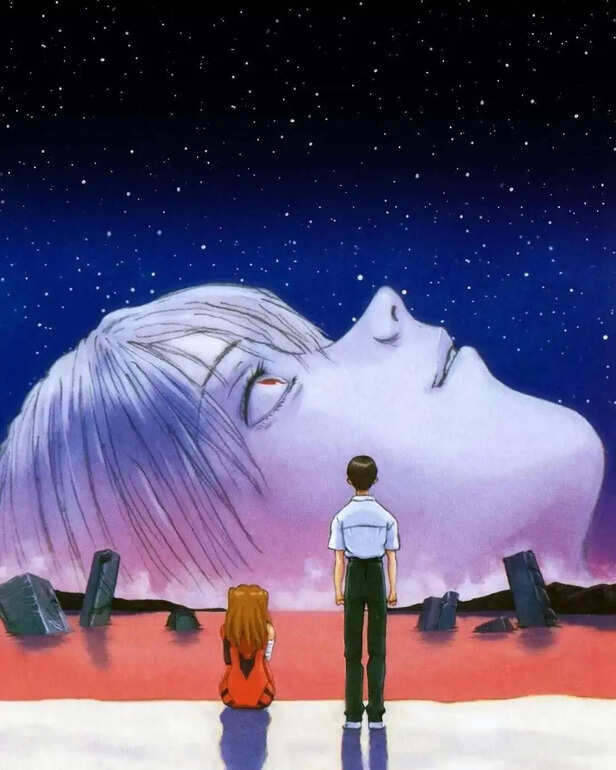
Image credit : Instagram / @saint
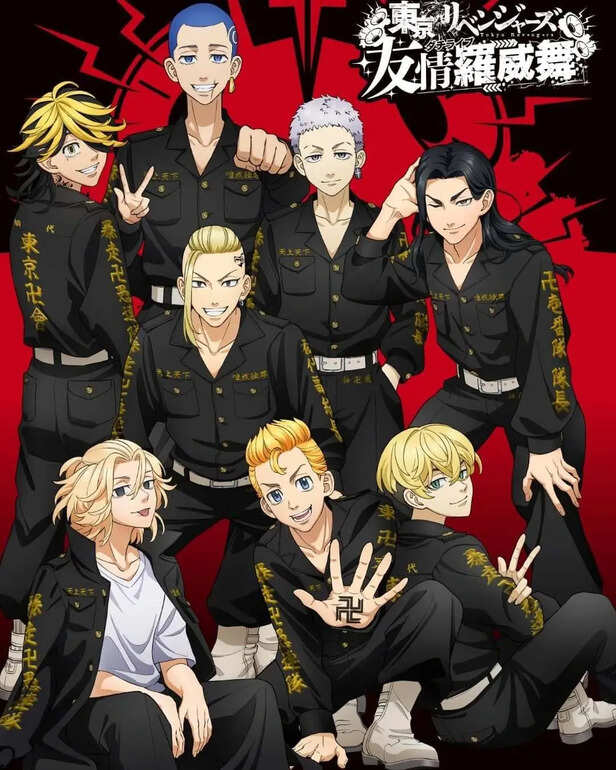
Image credit : Instagram / @poky02
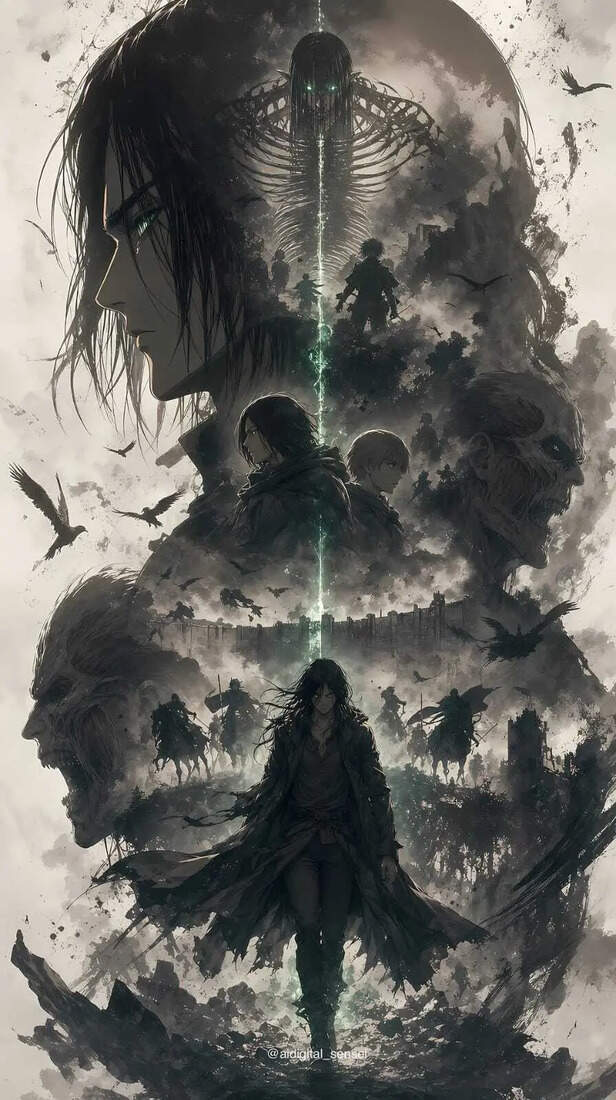
Image credit : Instagram / @aidigital_sensei
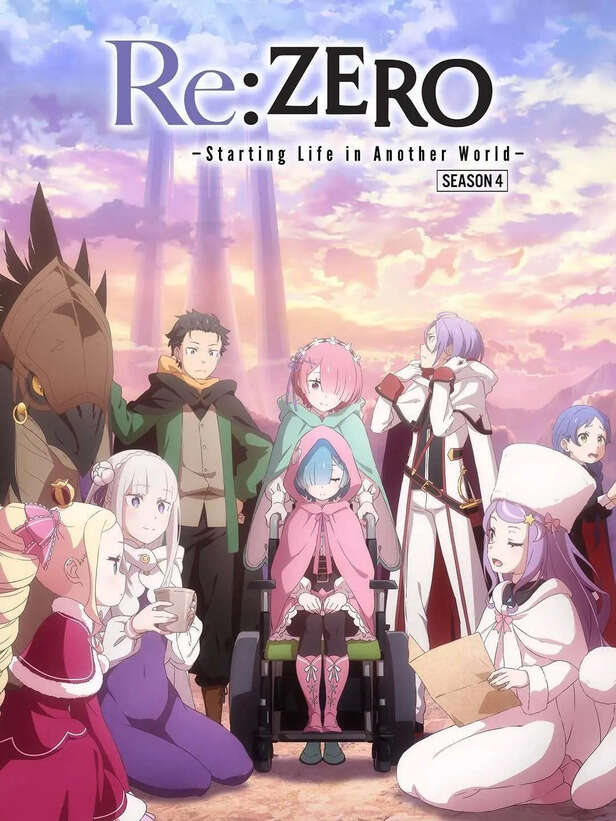
Image credit : Instagram / @leonardsanthos
The morality of the saviour: Liberation, Tyranny, and Guilt
At first, in Code Geass, Lelouch vi Britannia utilizes self-destruction disguised as liberation. He takes on the role of the ultimate villain to break the cycle of hatred, proving that peace sometimes demands a monumental lie.
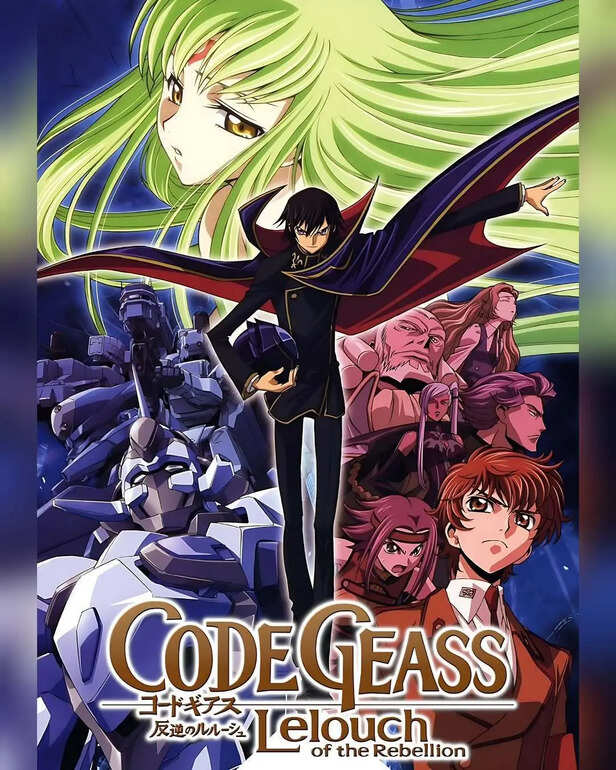
Image credit : Instagram / @shirogate_recommendation
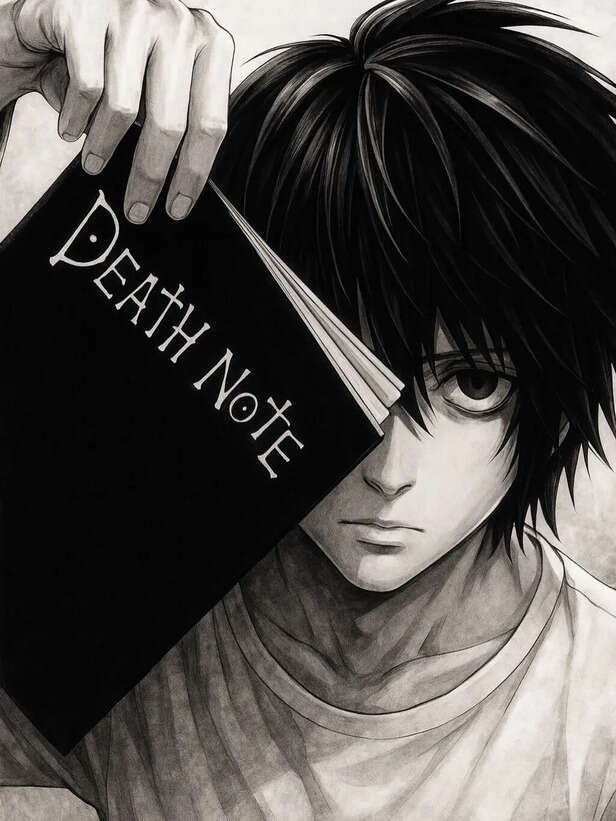
Image credit : Instagram / @valeleggeesogna
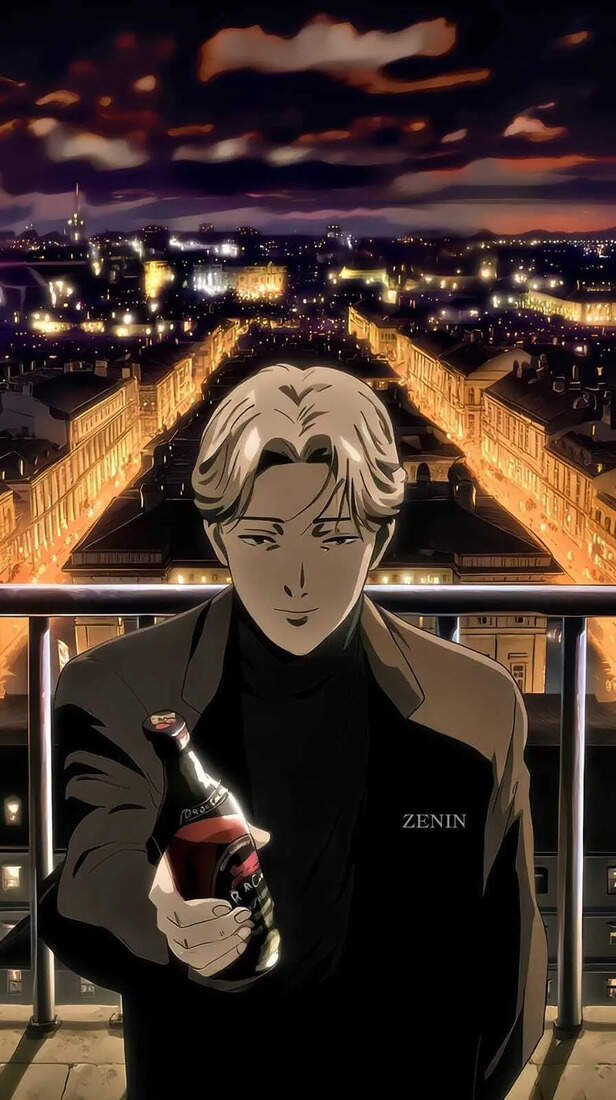
Image credit : Instagram / @zenlessace
The Shonen evolution: The complexity of the fighting spirit
To start with, the most renowned Naruto, the lead Naruto Uzumaki’s iconic journey is driven by a deep-seated need to be acknowledged, leading to a self-erasing savior complex where he carries the hatred of the entire world on his back. His nature of not abandoning anyone slowly drives him to his limit of martyrdom. In Bleach, Ichigo Kurosaki is fundamentally guilt-driven, motivated entirely by an intense, overwhelming need to protect everyone around him because of past loss.
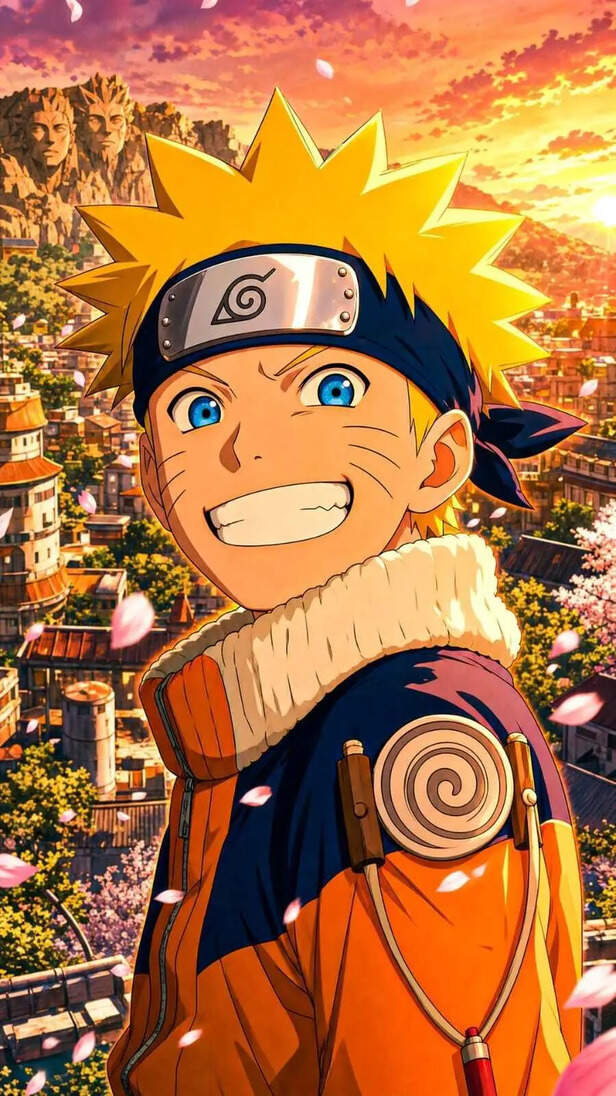
Image credit : Instagram / @ai_dreamdesigns
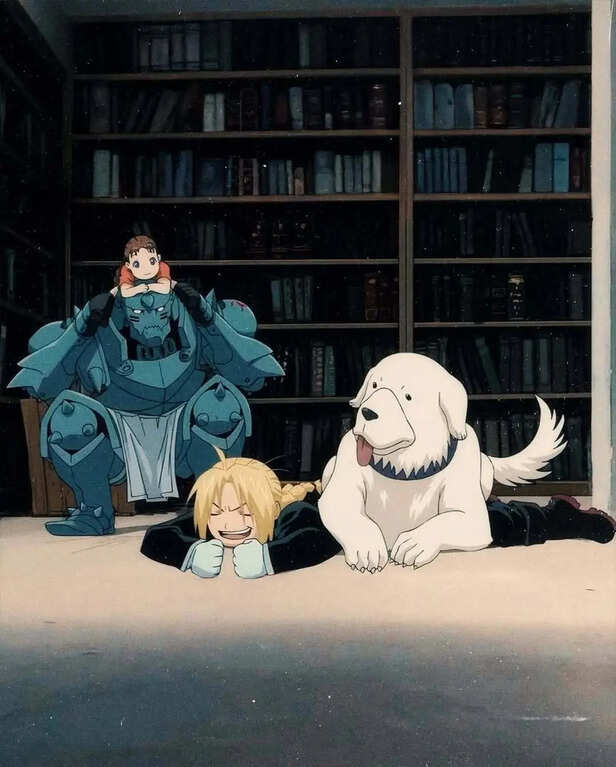
Image credit : Instagram / @evaasera
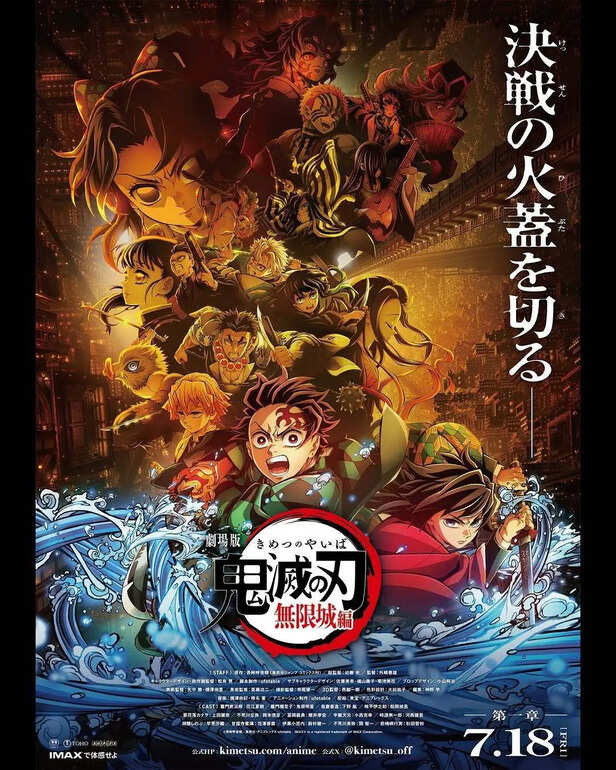
Image credit : Instagram / @cinetheticph
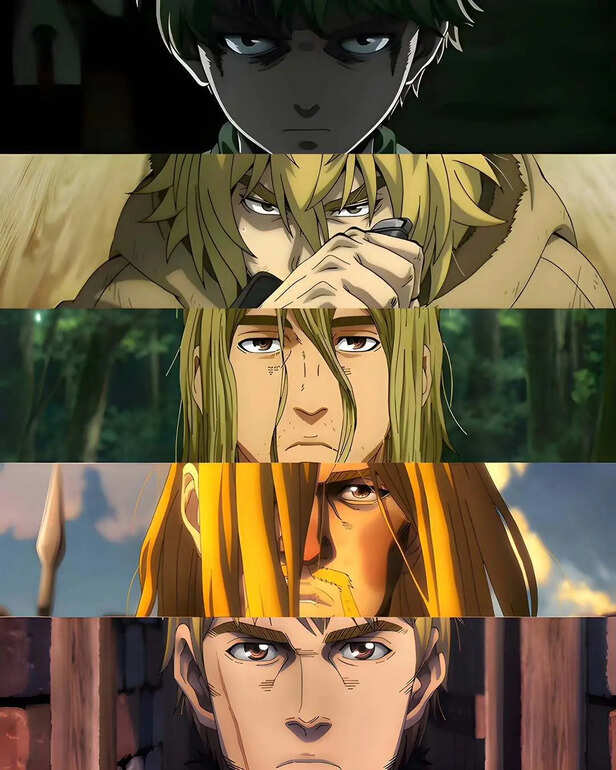
Image credit : Instagram / @vinland.cl

Suryakumar Yadav becomes meme fodder after India's loss to Ireland
By Supratik

Is Ariana Grande back with ex-boyfriend Ricky Alvarez? Former couple spotted together days after Ethan Slater split
By Shivani Negi

Notes from the Last Row will mess with your mind, here's why
By Nillohit Bagchi

The ultimate stream-or-skip guide for this week's OTT drops
By Nillohit Bagchi

South Korea's World Cup setback proves the internet still blames women first
By Shivani Negi

‘Look out for my invitation for Sunday’: Why is Drake throwing a party for all Janices? Rapper’s new stunt explained
By Tanima Mukherjee

Ecuador's 'Spider-Man' coach Sebastián Beccacece is FIFA World Cup 2026's new hero
By Nillohit Bagchi


