

Why did Rhaenyra in House of the Dragon Season 2 calmed Vermithor but let Hugh Hammer claim him? Dragon bond rules explained
Sinthya Banik | Jun 24, 2026, 19:59 IST
Rhaenyra calms Vermithor yet Hugh Hammer claims him in House of the Dragon Season 2. Explore detailed dragon bond rules, the Red Sowing scene with character backstories and what this move means for Season 3 leadership shifts.

Image credit : IMDb | Vermithor did serve Rhaenyra but chose Hugh Hammer thereby highlighting war strategies in House of the Dragon Season 3
House of the Dragon, created by Ryan Condal alongside George R.R. Martin, debuted on HBO on August 21, 2022 as a prequel to Game of Thrones. The series chronicles the Targaryen civil war known as the Dance of the Dragons, set roughly 200 years before the original show. Emma D’Arcy leads as Rhaenyra Targaryen, supported by Matt Smith as Daemon Targaryen, Olivia Cooke as Alicent Hightower, and in Season 2, Kieran Bew as Hugh Hammer. The show has earned acclaim for its complex characters, political intrigue, and dragon sequences.
![]()
Season 2 intensifies the war following King Viserys’s death and the Greens’ usurpation. After major losses, including Rhaenys Targaryen and her dragon Meleys, Rhaenyra pursues a high-risk strategy to recruit new dragonriders. The pivotal “Red Sowing” in Episode 7 (“The Red Sowing”) delivers answers and new questions about dragon bonds through the dramatic claiming of Vermithor by Hugh Hammer.
This sequence not only provides thrilling action but also illuminates the rules governing Targaryen power, the agency of dragons, and the social disruptions of war. It directly ties into broader themes of heritage, worthiness, and the costs of ambition that will shape upcoming episodes of Season 3.
Vermithor earns his nickname the Bronze Fury through his formidable size, bronze-coloured scales, and aggressive temperament. As one of the largest living dragons during the Dance, he previously served as the mount of King Jaehaerys I Targaryen, the Old King who presided over a long period of peace.
Rhaenyra Targaryen’s bond with
Rhaenyra’s lifelong bond with Syrax defines much of her character arc. Claimed in her youth, Syrax represents companionship, status, and tactical support throughout Season 1 and into Season 2. Their connection appears strong and stable, allowing Rhaenyra to fly confidently and project power.
In Season 1, Rhaenyra’s rides on Syrax symbolise her independence and claim to the throne, from youthful escapades to more mature political manoeuvres. By Season 2, with the realm divided, Syrax remains her primary mount amid escalating threats.
Rhaenyra demonstrates advanced dragon-handling skills. She successfully calms Vermithor temporarily in the pits, using Valyrian commands and her authoritative presence. This ability stems from her pure Targaryen lineage and experience but stops short of a full bond. Her existing tie to Syrax prevents claiming another dragon, forcing reliance on new riders.
This limitation humanises Rhaenyra’s leadership. Even as queen claimant, she operates within constraints, choosing collective strategy over personal aggrandisement.

Season 2 intensifies the war following King Viserys’s death and the Greens’ usurpation. After major losses, including Rhaenys Targaryen and her dragon Meleys, Rhaenyra pursues a high-risk strategy to recruit new dragonriders. The pivotal “Red Sowing” in Episode 7 (“The Red Sowing”) delivers answers and new questions about dragon bonds through the dramatic claiming of Vermithor by Hugh Hammer.
This sequence not only provides thrilling action but also illuminates the rules governing Targaryen power, the agency of dragons, and the social disruptions of war. It directly ties into broader themes of heritage, worthiness, and the costs of ambition that will shape upcoming episodes of Season 3.
Who is Vermithor? The Bronze Fury’s history and significance
- Background details: After Jaehaerys’s death, Vermithor resides on Dragonstone without a new rider for decades. His presence in Season 1 establishes the reservoir of untapped dragon power available to House Targaryen.
- Role in the war: Vermithor’s strength makes him a game-changing asset. As the second-largest dragon, he rivals or exceeds many others in combat potential, positioning any successful rider as a major military force.
Rhaenyra Targaryen’s bond with Syrax and her capabilities as a rider
In Season 1, Rhaenyra’s rides on Syrax symbolise her independence and claim to the throne, from youthful escapades to more mature political manoeuvres. By Season 2, with the realm divided, Syrax remains her primary mount amid escalating threats.
Rhaenyra demonstrates advanced dragon-handling skills. She successfully calms Vermithor temporarily in the pits, using Valyrian commands and her authoritative presence. This ability stems from her pure Targaryen lineage and experience but stops short of a full bond. Her existing tie to Syrax prevents claiming another dragon, forcing reliance on new riders.
This limitation humanises Rhaenyra’s leadership. Even as queen claimant, she operates within constraints, choosing collective strategy over personal aggrandisement.
View this post on Instagram
Dragon bond rules explained: Blood, bravery and agency
- Blood heritage: Valyrian (Targaryen) blood significantly increases chances of success, but it is not a guarantee. Multiple dragonseeds with partial claims fail dramatically.
- Personality and mutual recognition: Dragons select riders who resonate with their temperament. Vermithor requires a “Bronze Fury” counterpart - someone displaying courage and ferocity.
- One primary bond: Established riders like Rhaenyra cannot fully claim and ride a second dragon. Temporary influence is possible, but a deep bond appears exclusive.
- Dragon agency: Dragons are sentient beings with minds of their own. As Viserys notes in Season 1, the notion of total rider control is largely an illusion. Larger dragons exhibit greater independence.
The Red Sowing scene : Detailed breakdown of Season 2 Episode 7
The sequence unfolds with high tension:
- Rhaenyra first approaches and calms Vermithor, creating a window for candidates.
- Initial attempts end in disaster as the dragon attacks, burning, crushing, or eating many.
- Hugh Hammer intervenes heroically, distracting Vermithor from a victim.
- Facing the flames, Hugh stands firm, shouting defiance and accepting potential death.
- Vermithor recognises something in him and submits, allowing Hugh to mount and fly.
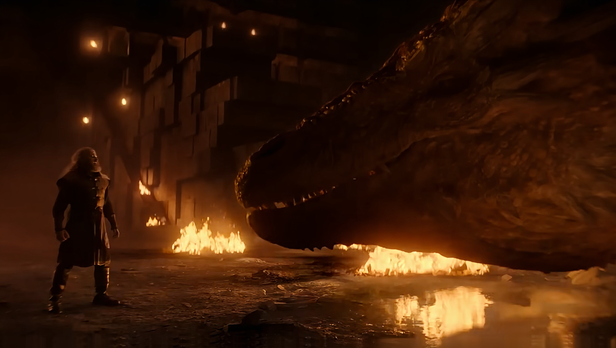
Image credit : HBO Max | Hugh Hammer claim Vermithor in House of the Dragon Season 2
Who is Hugh Hammer? Backstory, motivations and rise
Key revelations:
- Hugh discloses his mother was a silver-haired woman who worked in a pleasure house and claimed kinship to the royal family, positioning him as Jaehaerys I’s grandson (potentially via Princess Saera Targaryen).
- He pursued blacksmithing to forge his own legacy despite his blood.
- Grief and a desire to protect and elevate his family drive him to Dragonstone despite the mortal risk.
Vermithor’s decision combines lineage and demonstrated character:Why Vermithor chose Hugh Hammer?
This mirrors other claims, such as Aemond with Vhagar, where boldness proves key. Blood provides opportunity; actions seal the bond.
- Blood connection: Hugh’s direct descent from Jaehaerys I creates a resonant link to the dragon’s previous rider. Deeper ties (possibly through Saera) may strengthen this.
- Bravery and ferocity: Hugh’s selfless intervention and fearless stance mirror Vermithor’s own nature. He embraces a dragonrider’s potential death, showing the “fire in the blood” required.
- Personality match: Unlike fearful or hesitant candidates, Hugh displays the fury and resolve that align with the Bronze Fury.
Hugh and Vermithor rapidly bolster Rhaenyra’s forces. Combined with Addam of Hull on Seasmoke and Ulf on Silverwing, they enable key advances, including the eventual fall of King’s Landing.Implications for House of the Dragon Season 3 and upcoming leadership dynamics
Challenges emerge around leadership and loyalty:For Season 3, these elements promise deeper examination of leadership fractures within Team Black. Rhaenyra’s decisions on rider rewards and command structures will influence faction cohesion as the war expands. Hugh’s trajectory from grieving father to influential rider adds layers of personal drama and moral complexity to the larger political struggle.
- Class and legitimacy tensions: Jacaerys Velaryon voices concerns that opening dragon claiming to bastards undermines Targaryen exceptionalism. Hugh’s Valyrian appearance and powerful mount intensify these worries.
- Integration difficulties: Rhaenyra must balance noble lords with new lowborn riders. Book-inspired events suggest offers of lands and titles (e.g., via marriages or holdings like Casterly Rock) face resistance due to precedent and politics.
- Personal transformations: Claiming a dragon affects riders. Hugh experiences a shift in perspective and power, potentially straining his relationship with Kat and testing his initial good intentions.
- Foreshadowed conflicts: Later battles, such as those at Tumbleton, test these alliances. Hugh’s story arc explores how power, perceived slights, and ambition can alter loyalties, with Vermithor playing a central combat role before tragic outcomes.
The claiming of Vermithor encapsulates House of the Dragon’s strengths - spectacular set pieces grounded in character and lore. As new riders assume prominent roles, the series continues probing the fragile foundations of power in Westeros.New episodes of House of the Dragon Season 3 releases weekly on Sundays at 9pm PT on HBO and Max. Previous seasons are also available to stream right now on Max.Where to watch House of the Dragon Season 3

Can Gen Z still find lasting love? Reddit weighs in
By Nancy Jaiswal

How fast does your body change after you give up sugar?
By Nancy Jaiswal

Why young workers today feel the pressure to become CEOs by 30
By Nancy Jaiswal

Why does your brain suddenly replay old memories at night?
By Nancy Jaiswal

What happens to your brain during a digital detox journey?
By Nancy Jaiswal

Can your favorite songs secretly shape your thoughts?
By Nancy Jaiswal

Did Netflix age up the blind bandit in Avatar S2? Miya Cech’s Toph reveal
By Sinthya Banik


