

Reminiscing Indian architecture through cafes: How India’s bungalows are becoming Instagram-worthy hangouts
Shambhavi Dixit | Jun 05, 2026, 17:42 IST
As nostalgia takes hold among Gen Z, old Indian bungalows are being transformed into trendy cafés.

Image credit : ChatGPT | Instead of demolishing old bungalows to make way for high-rise buildings, cafe owners are restoring these old bungalows and turning them into cafes.
Big verandas, vintage wooden chairs woven with knitted strings, large windows through which rays of sunlight stream in, casting shadows on white marble floors, and high ceilings that keep the space cool and airy. The aroma of freshly brewed coffee lingers in the air, making the place feel instantly familiar. The entire setting evokes memories of visiting a grandparent's sprawling house in the countryside or stepping into one of the old Indian Coffee Houses that have become increasingly rare.
![]()
It feels like the perfect place for an afternoon nap or a moment of quiet relaxation. Instead, these spaces are now buzzing with conversations, coffee cups, laptops, and camera clicks. They are not just cafés; they are also the perfect backdrop for an aesthetically curated Instagram feed.
Across India, old bungalows are being transformed into cafés. These homes, which carry traces of past lives and architectural traditions, are being given a new purpose while preserving their original character. From the Portuguese and colonial-era houses of Ranwar Village in Mumbai to Art Deco residences in Bengaluru, these cosy family-like spaces are being restored rather than demolished.
As Gen Z increasingly seeks experiences that feel authentic and visually appealing, heritage cafés have emerged as the perfect blend of history and contemporary culture. Sipping artisanal coffee in these restored bungalows often takes us back to the old coffee houses we visited with our parents as children and to our grandparents' homes, whose memories may have faded but never truly disappeared. Here are some cafés that are making their mark by combining old-world aesthetics with speciality coffee, artisanal menus, and contemporary interiors.
![Reminiscing Indian architecture through cafes: How India’s bungalows are becoming Instagram-worthy hangouts]() Founded by Nishant Sinha in 2017, Roastery Coffee House has embraced the growing trend of transforming old bungalows into speciality coffee destinations. With outlets in cities such as Lucknow, Jaipur, Noida, and Kolkata, the brand evokes the charm of the old coffee houses that many Indians grew up visiting.
Founded by Nishant Sinha in 2017, Roastery Coffee House has embraced the growing trend of transforming old bungalows into speciality coffee destinations. With outlets in cities such as Lucknow, Jaipur, Noida, and Kolkata, the brand evokes the charm of the old coffee houses that many Indians grew up visiting.
The chain has not only made its mark through heritage-inspired spaces but has also built its identity around locally sourced coffee from different regions of India. Its flagship outlet in Hyderabad operates from a restored bungalow in Banjara Hills, where the original verandah, courtyard, and residential character have been preserved, creating a space that feels more like a home than a commercial café. Many of its other outlets are either housed in restored bungalows or designed to replicate their architectural charm. This blend of heritage aesthetics, speciality coffee, and contemporary café culture has made Roastery Coffee House particularly popular among younger generations.
![Reminiscing Indian architecture through cafes: How India’s bungalows are becoming Instagram-worthy hangouts]() A 130-year-old bungalow in Bandra has been beautifully restored into a café that instantly feels like home. Its weathered walls, vintage wooden furniture, and old-world charm blend seamlessly to create a warm and inviting atmosphere. Located in the narrow lanes of Ranwar Village, a 300-year-old hamlet in Bandra, the café is tucked away from the bustling crowds of Hill Road.
A 130-year-old bungalow in Bandra has been beautifully restored into a café that instantly feels like home. Its weathered walls, vintage wooden furniture, and old-world charm blend seamlessly to create a warm and inviting atmosphere. Located in the narrow lanes of Ranwar Village, a 300-year-old hamlet in Bandra, the café is tucked away from the bustling crowds of Hill Road.
Walking through these quiet lanes feels like stepping into a corner of Europe. The neighbourhood is lined with vintage Indo-Portuguese bungalows that reflect the area's East Indian heritage, making Everhome Café as much a cultural experience as a coffee destination.
![Reminiscing Indian architecture through cafes: How India’s bungalows are becoming Instagram-worthy hangouts]() Housed inside a restored early-20th-century colonial bungalow in Kolkata's Bhawanipur neighbourhood, The Bhawanipur House is a celebration of the city's architectural heritage. The century-old structure retains many of its original features, including high ceilings, thick walls, period woodwork, spacious verandahs, and vintage-inspired interiors that evoke the charm of old Calcutta.
Housed inside a restored early-20th-century colonial bungalow in Kolkata's Bhawanipur neighbourhood, The Bhawanipur House is a celebration of the city's architectural heritage. The century-old structure retains many of its original features, including high ceilings, thick walls, period woodwork, spacious verandahs, and vintage-inspired interiors that evoke the charm of old Calcutta.
The Bhawanipur House stands as an example of adaptive reuse, where heritage architecture has been transformed into a vibrant cultural and culinary space while retaining its old-world charm.
![Reminiscing Indian architecture through cafes: How India’s bungalows are becoming Instagram-worthy hangouts]() Nestled in Bengaluru's leafy Jayanagar neighbourhood, Beanlore breathes new life into a 1980s Art Deco bungalow, transforming it into a café that seamlessly blends architecture, nature, and coffee culture. Rather than dramatically altering the structure, the designers chose to preserve its original character, retaining elements such as the rounded roofline, original staircase, and intimate residential layout.
Nestled in Bengaluru's leafy Jayanagar neighbourhood, Beanlore breathes new life into a 1980s Art Deco bungalow, transforming it into a café that seamlessly blends architecture, nature, and coffee culture. Rather than dramatically altering the structure, the designers chose to preserve its original character, retaining elements such as the rounded roofline, original staircase, and intimate residential layout.
The restored bungalow offers a sense of nostalgia and tranquillity that appeals to Gen Z. Combined with its aesthetic interiors and heritage charm, it creates an experience that feels both authentic and Instagram-worthy.
The restoration of vintage bungalows into cafés is helping revive a culture that might otherwise have been lost to time. While younger generations are embracing modern lifestyles and rapid urban development, there is also a growing desire to remain connected to their roots. After all, development has little meaning if it comes at the cost of forgetting where we come from.
These heritage cafés demonstrate that progress and preservation can coexist. Proving that moving forward does not always mean leaving the past behind.

It feels like the perfect place for an afternoon nap or a moment of quiet relaxation. Instead, these spaces are now buzzing with conversations, coffee cups, laptops, and camera clicks. They are not just cafés; they are also the perfect backdrop for an aesthetically curated Instagram feed.
Across India, old bungalows are being transformed into cafés. These homes, which carry traces of past lives and architectural traditions, are being given a new purpose while preserving their original character. From the Portuguese and colonial-era houses of Ranwar Village in Mumbai to Art Deco residences in Bengaluru, these cosy family-like spaces are being restored rather than demolished.
As Gen Z increasingly seeks experiences that feel authentic and visually appealing, heritage cafés have emerged as the perfect blend of history and contemporary culture. Sipping artisanal coffee in these restored bungalows often takes us back to the old coffee houses we visited with our parents as children and to our grandparents' homes, whose memories may have faded but never truly disappeared. Here are some cafés that are making their mark by combining old-world aesthetics with speciality coffee, artisanal menus, and contemporary interiors.
Roastery Coffee House - Structured as per Indian Coffee Houses
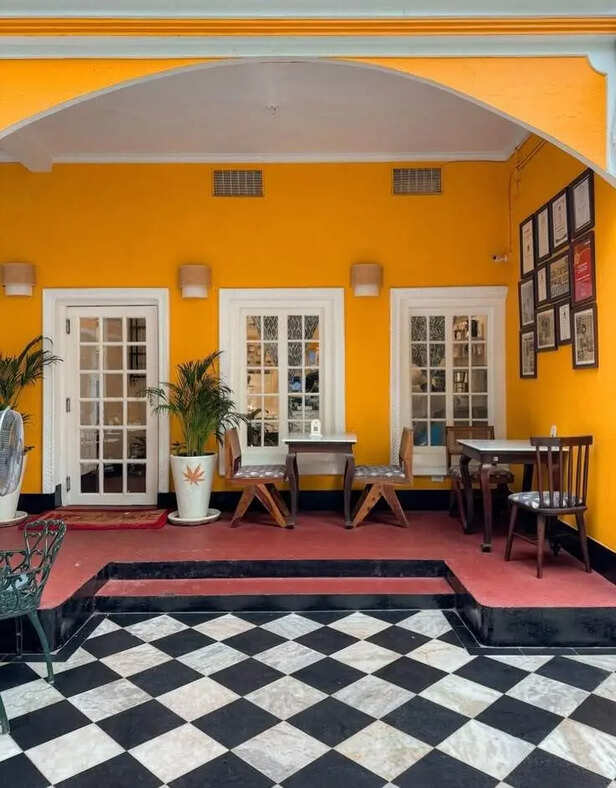
Image credit : Pinterest | Roastery coffee house across multiple cities of India is perfectly blending the nostalgia of old coffee houses with the Instagram aesthetics.
The chain has not only made its mark through heritage-inspired spaces but has also built its identity around locally sourced coffee from different regions of India. Its flagship outlet in Hyderabad operates from a restored bungalow in Banjara Hills, where the original verandah, courtyard, and residential character have been preserved, creating a space that feels more like a home than a commercial café. Many of its other outlets are either housed in restored bungalows or designed to replicate their architectural charm. This blend of heritage aesthetics, speciality coffee, and contemporary café culture has made Roastery Coffee House particularly popular among younger generations.
Everhome Café – Old Portuguese bungalow vibes
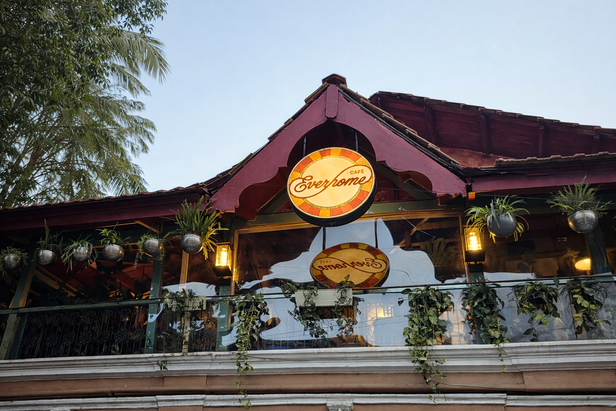
Image credit : Everhome Cafe | A 130-year-bunglow in the one of the oldest hamlets of Bandra has been transformed into a boho chic cafe.
Walking through these quiet lanes feels like stepping into a corner of Europe. The neighbourhood is lined with vintage Indo-Portuguese bungalows that reflect the area's East Indian heritage, making Everhome Café as much a cultural experience as a coffee destination.
The Bhawanipur House - Entering the colonial remnants
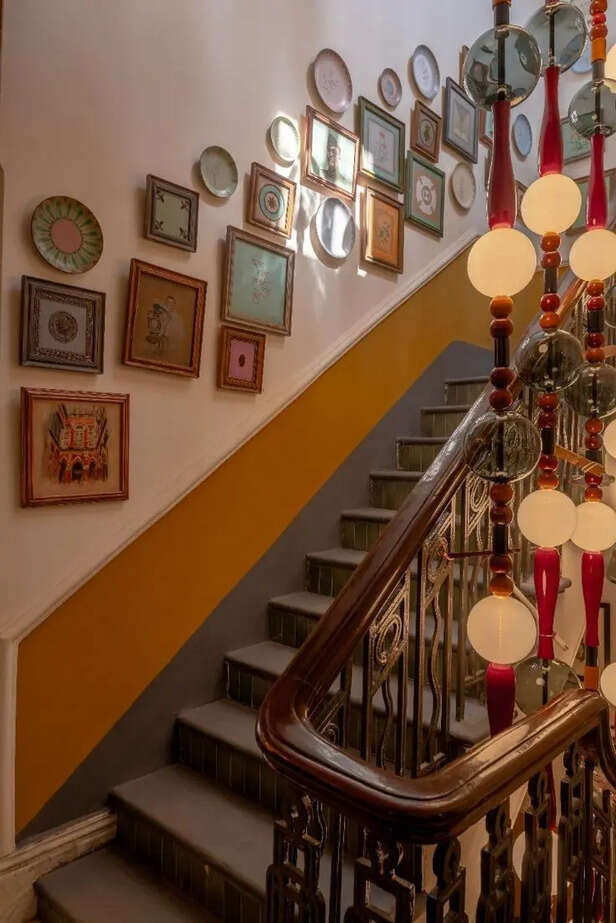
Image credit : Pinterest | Housed in a colonial-era bungalow, the Bhawanipur House preserves much of its historic character while offering a modern dining experience.
The Bhawanipur House stands as an example of adaptive reuse, where heritage architecture has been transformed into a vibrant cultural and culinary space while retaining its old-world charm.
Beanlore - A sip into the art deco houses
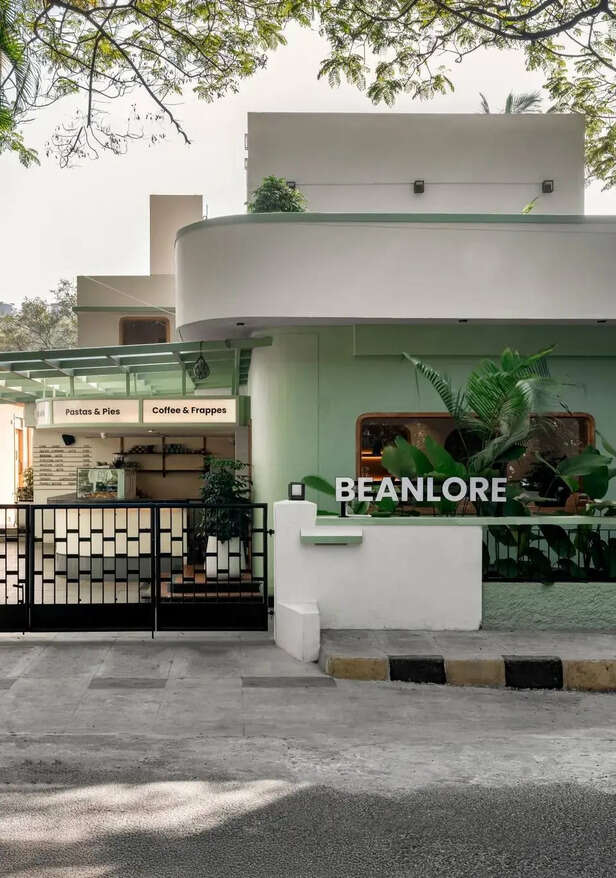
Image credit : Beanlore Bangalore | Bealore is set inside an Art Deco bungalow in Jayanagar, combining specialty coffee culture with Bengaluru's residential heritage.
The restored bungalow offers a sense of nostalgia and tranquillity that appeals to Gen Z. Combined with its aesthetic interiors and heritage charm, it creates an experience that feels both authentic and Instagram-worthy.
The restoration of vintage bungalows into cafés is helping revive a culture that might otherwise have been lost to time. While younger generations are embracing modern lifestyles and rapid urban development, there is also a growing desire to remain connected to their roots. After all, development has little meaning if it comes at the cost of forgetting where we come from.
These heritage cafés demonstrate that progress and preservation can coexist. Proving that moving forward does not always mean leaving the past behind.

Can emotional connections still beat modern dating apps?
By Nancy Jaiswal

Can Gen Z still find lasting love? Reddit weighs in
By Nancy Jaiswal

How fast does your body change after you give up sugar?
By Nancy Jaiswal

Why young workers today feel the pressure to become CEOs by 30
By Nancy Jaiswal

Why does your brain suddenly replay old memories at night?
By Nancy Jaiswal

What happens to your brain during a digital detox journey?
By Nancy Jaiswal

Can your favorite songs secretly shape your thoughts?
By Nancy Jaiswal


