

Chinese actress Wang Churan takes fashion notes from India—but is it inspiration or appropriation? Aishwarya and Kareena did it first, and better
While some praised Fu Sheng for embracing a globally recognizable aesthetic, others began asking a more controversial question: Was this cultural inspiration, or cultural appropriation?


The look reminded fans of a fashion trend that dominated Bollywood in the late 1990s and early 2000s, where actresses paired Western-inspired dresses with dupatta-style drapes, creating a fusion of modern and traditional fashion.
While some praised Fu Sheng for embracing a globally recognizable aesthetic, others began asking a more controversial question: Was this cultural inspiration, or cultural appropriation?
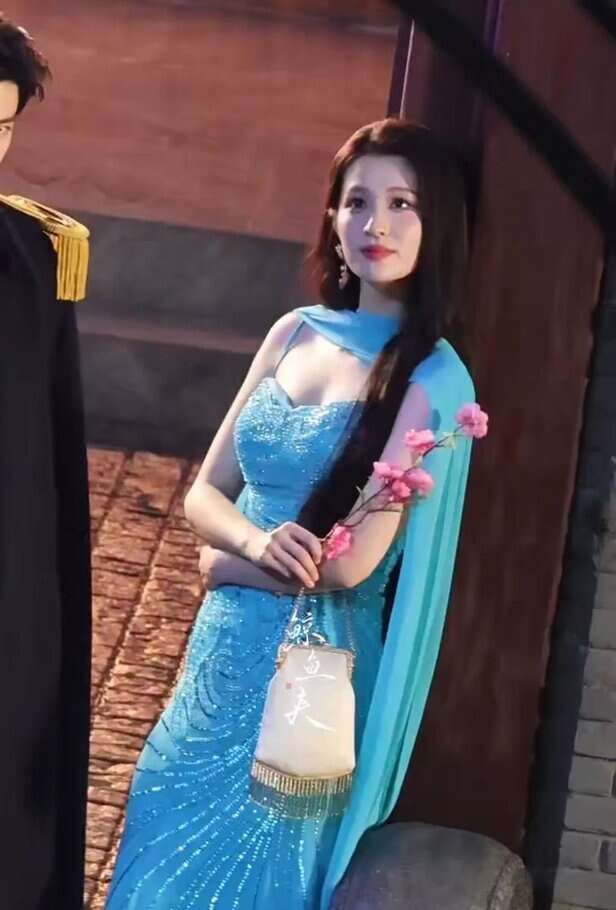
Wang Churan's Fu Sheng look sparks Bollywood comparisons
The style became especially popular in romantic dramas and family films, where flowing scarves added a touch of elegance and tradition to contemporary outfits. As soon as Wang Churan's images began circulating online, many viewers pointed to familiar Bollywood references.
This cultural appropriation needs to stop! ❌
— Benny (@benny0122333) June 22, 2026
In the drama Fu Sheng (浮生), actress Wang Churan is wearing traditional Indian attire.
Project:
• Director: Yi Jun
• Costume Director: Yi Xiaoya
Let's flood their inboxes! 👇
Email them:
Director: hnmjcf@sina.com
Costume… pic.twitter.com/IvUg7Z1dxZ
Aishwarya Rai and Kareena Kapoor popularized the look years ago
For Indians, the things that Wang Churan wore reminded them of old Bollywood style. This made Churan's style feel like something that was already done before not something exciting.
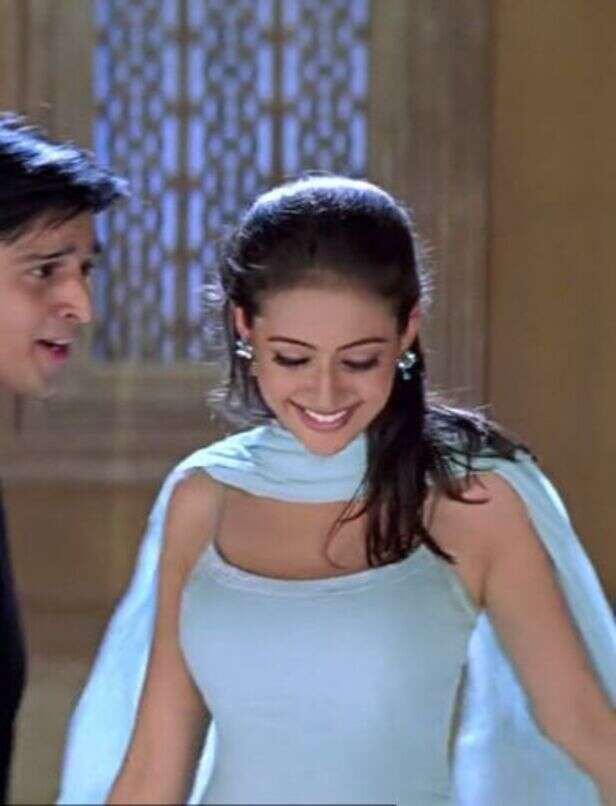
Dupatta or qipao? The cultural debate intensifies
According to supporters of this view, the outfit reflected Chinese cultural elements rather than borrowing from Indian fashion. That explanation, however, did not convince everyone.
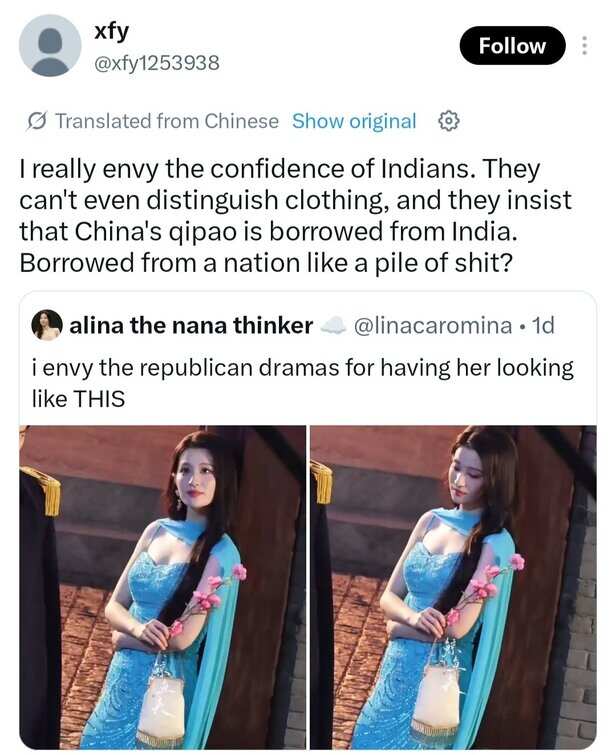
Why the dupatta holds deep cultural significance?
Because of that cultural importance, some viewers felt strongly about how the styling was being interpreted online, especially when comparisons between Indian and Chinese fashion traditions began to emerge.
Actress Wang Churan appropriates, traditional Indian fashion from the 90s.
— aslichin (@aslicheen) June 22, 2026
This is another classic case of china appropriating indian clothing. a drama which is set during the Chinese Republican era.
Project: Fu Sheng (浮生),
• Director: Yi Jun
• Costume Director: Yi Xiaoya pic.twitter.com/m1ATWyxT78
What is Fu Sheng about?
The drama stars Chen Zheyuan as Ao Chi, also known as Lu Fu Sheng, a young marshal who secretly possesses another identity as the Crown Prince of the East Sea Dragon Clan.
Opposite him is Wang Churan as Sha Luo, a thousand-year-old tree spirit who disguises herself as the reserved owner of the Buting Teahouse, where she exchanges magical tea for stories about spirits and demons.
The drama is set in the Chinese Republican era. However, the outfit Wang Churan wears in this scene is Indian clothing and does not match the historical Chinese attire of that period.
— Benny (@benny0122333) June 22, 2026
More media on her attire 👇 pic.twitter.com/HJ7Q86gzzs

By Sinthya Banik

By Nancy Jaiswal

By Nancy Jaiswal

By Nancy Jaiswal

By Nancy Jaiswal

By Nancy Jaiswal

By Nancy Jaiswal


